 ultimate-guide
Funny Home Decor Conversation Starters for a Playful Home
Last Updated: November 11, 2026
Quick Summary
A funny home decor conversation starter is any object, textile, or accent that gives guests an easy reason to smile and ask a question. The best ones look intentional in a room and hand visitors a built-in icebreaker, which is why funny home decor works so well in small spaces. One well-chosen piece per room beats a shelf full of random trinkets.
- Place one conversation starter per room where people naturally gather or wait.
- Hang wall art and signs roughly 48 to 60 inches off the floor for seated guests.
- Keep bathroom humor light and universally inoffensive for the widest range of guests.
- Limit each room to one or two statement pieces and keep surrounding decor calm.
- Choose machine-washable covers and throws in homes with kids or pets.
Table of Contents
- Why Funny Home Decor Conversation Starters Work
- Quirky Home Decor Ideas That Get Guests Talking
- Funny Home Decor Quotes That Break the Ice
- Unique Home Decor Items Worth the Splurge
- Conversation Starter Decor by Room
- Matching Humor Styles to Your Audience
- Styling Quirky Pieces Without Clutter
- Budget Tiers, Durability, and Where to Buy
- Choosing Your First Conversation Starter Piece
- Frequently Asked Questions
Why Funny Home Decor Conversation Starters Work
A funny home decor conversation starter is any object, textile, or accent that gives guests an easy reason to smile and ask a question. The best ones do double duty: they look intentional in a room and they hand visitors a built-in icebreaker. That's why funny home decor works so well in small spaces.
Think about the last awkward pause at a gathering. Someone probably broke it by pointing at something odd on a shelf and asking where it came from. Playful pieces do the social work for you. They signal personality before you say a word, and they make a room feel lived-in rather than staged, which is exactly what first-time hosts want.
Below, we'll show you how to pick pieces that fit your space, your budget, and your sense of humor.
Quirky Home Decor Ideas That Get Guests Talking
Quirky home decor ideas work best when they surprise the eye without fighting the room. The trick is contrast: one unexpected object against calm, neutral surroundings. That single accent piece becomes the focal point, and everything around it gets quieter.
You don't need a big collection. One well-chosen novelty decor item in a shared space outperforms five random trinkets, because guests know exactly what to comment on.
Sculptures, Figurines, and Desk Signs
Small objects carry a lot of weight. A ceramic figurine with a ridiculous expression or a witty sign on a bookshelf gives people something to pick up and laugh at. Place these at eye level or just below, where hands naturally reach. Desk signs work especially well on entryway tables and home-office shelves, and they're easy to rotate with the seasons so the joke stays fresh.
Statement Lighting and Sculptural Lamps
A sculptural lamp or unusual wall lamp turns a functional object into a talking point. Look for shapes that read as playful design rather than plain hardware: a cloud-shaped light, an abstract art silhouette, or a lamp that looks handmade. Lighting does double duty here, since it changes the mood of a living space while also being the thing guests notice first when they walk in.
Funny Home Decor Quotes That Break the Ice
Funny home decor quotes belong on wall art, framed prints, and small signs where guests can read them up close. A short, witty line printed in clean typography reads as design-forward, while a long paragraph of text just looks messy. Keep quotes to one or two lines, and match the humor to the room: dry and deadpan for a living room, gentle and cozy for a bedroom.
The best placement is where people pause. Think above a coffee table, beside a doorway, or on a shelf at seated eye level. A guest who reads a funny quote while waiting for a drink has already started a conversation with you.
Unique Home Decor Items Worth the Splurge
Unique home decor items are worth paying more for when they're built to last and when they carry a story. A mass-produced novelty item loses its charm fast. A handcrafted or artisanal piece, made from real materials and finished with care, earns its place for years.
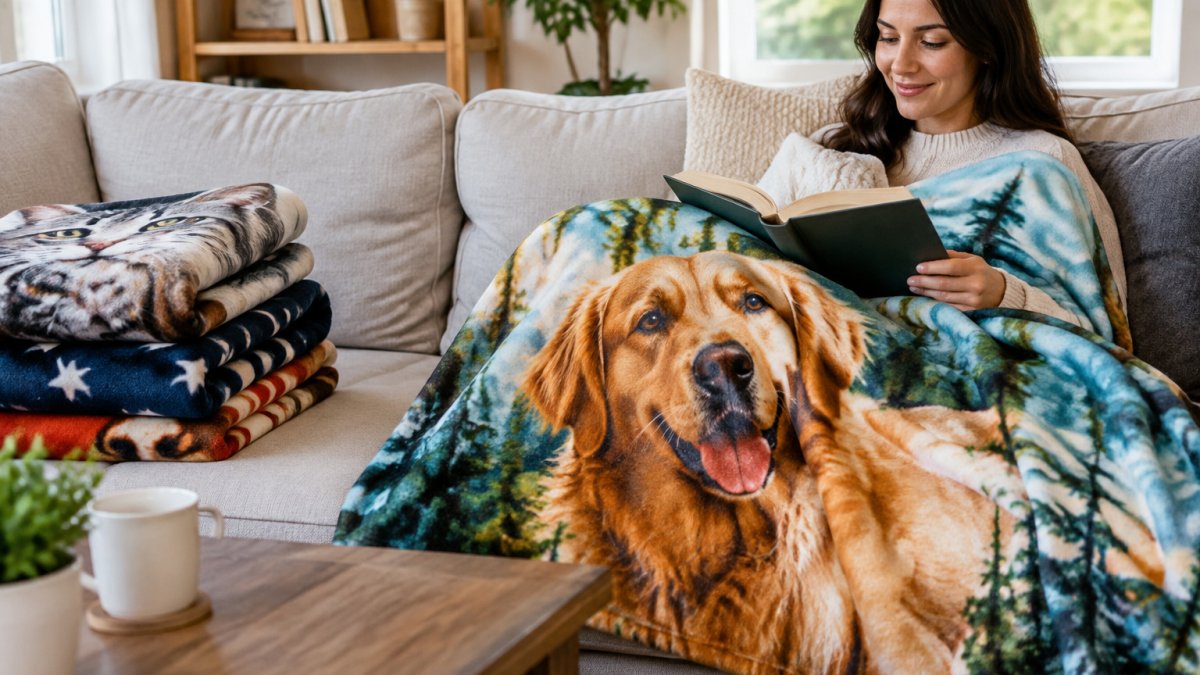
Our own take: a cozy themed throw is one of the smartest splurges in this category. It's functional decor, so it warms the room and gets used daily, and a bold, playful pattern becomes an instant conversation piece the moment someone sits down. If you're weighing whether a novelty throw is worth more than a plain one, we break down the real differences between funny blankets and generic throws so you can decide with clear eyes.
Conversation Starter Decor by Room
Placement decides whether a quirky piece feels charming or cluttered. The rule we follow: one conversation starter per room, positioned where people naturally gather or wait. That keeps each piece feeling special instead of turning your home into a novelty shop.
Three placement mechanics do most of the work. First, sightlines: put the piece in the direct line of sight from the main seating position, roughly 48 to 60 inches off the floor for wall art and signs, so a seated guest reads it without craning. Second, dwell zones: entryway tables, kitchen islands, bar carts, and the spot beside the coffee table are where people pause with a drink in hand, which is exactly when a funny object earns its keep. Third, traffic flow: keep pieces out of the path between doorway and couch, because anything people have to step around reads as clutter rather than charm.

Living Rooms and Shared Spaces
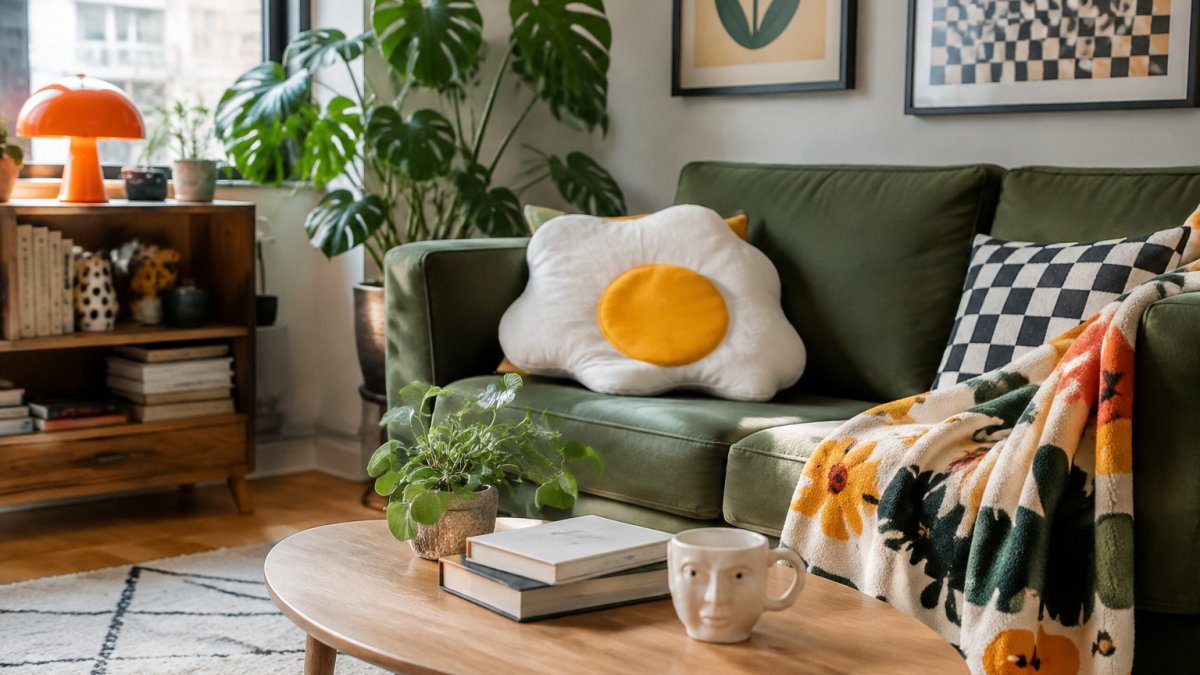
The living room is the highest-traffic room for guests, so it earns the boldest piece. Drape a patterned throw over the sofa arm, set a sculptural object on the coffee table, and let a statement lamp anchor the corner. Readers who want a throw that doubles as a conversation starter can browse funny blankets. Keep the coffee-table piece low and stable so it survives a bumped knee, and reserve the mantel or a single open shelf for the piece you want guests to notice from across the room. If you're planning couch decor specifically, our shopper's guide to novelty throws for the couch covers sizing and fabric so the piece looks deliberate rather than tossed on.
Watch out: glass, ceramic, and spiked or sharp-edged sculptures on a low coffee table are a hazard in homes with toddlers or large dogs; move fragile pieces to a console or high shelf and keep the low surfaces for textiles and soft objects.
Bedrooms, Hallways, and Guest Rooms
Private spaces call for subtler humor. A folded throw at the foot of a guest bed, a small witty sign in the hallway, or a single funny figurine on a nightstand gives the room personality without overwhelming it. In hallways, place the piece at the far end of the sightline so guests see it as they walk toward it, not as they pass it. In guest rooms, put the funny item where a visitor will encounter it while unpacking or settling in, such as the dresser top or the bedside table, so it starts a conversation at breakfast rather than going unnoticed.
Kitchens, Entryways, and Bathrooms
These are the underrated rooms for conversation starters because guests spend unoccupied seconds there. A witty sign above the entryway hook, a novelty dish towel or magnet on the fridge, or a small framed print beside the bathroom mirror gives people something to read while they wait. Keep bathroom humor light and universally inoffensive, since that room hosts the widest range of guests.
Matching Humor Styles to Your Audience
Humor that lands with one guest falls flat with another, so match the joke to the people who actually visit. Dry, sarcastic wit suits a friend group that trades barbs. Gentle, whimsical humor, like cute cartoon bugs or a starry woodland scene, works for mixed company and family. Absurd, unexpected designs are best saved for your own space, where you're the primary audience.
If you're shopping for someone else, start from their sense of humor rather than yours. Our collection of funny gifts for sarcastic friends is a good reference point for reading a friend's comedic taste before you buy.
Styling Quirky Pieces Without Clutter
Styling is where most people go wrong. They buy several fun pieces, group them together, and the room starts to feel chaotic. The fix is simple: give each conversation starter breathing room and a neutral backdrop.
- Limit each room to one or two statement pieces
- Keep surrounding decor calm and tonal so the quirky item stands out
- Group small objects in odd numbers on a tray to look curated
- Rotate pieces seasonally instead of displaying everything at once
- Anchor bold patterns with solid-colored furniture and simple textures
A bold throw is the easiest piece to style because it softens a room while adding color. If you want more ideas for displaying playful items without the mess, our guide on styling quirky home decor without clutter walks through arrangements that stay tidy.
Budget Tiers, Durability, and Where to Buy
You can build a playful room at almost any budget, but durability is where cheap novelty decor falls apart. Thin fabrics can pill, and painted finishes can chip. Before buying, check the material, the stitching, and the care instructions.
| Budget Tier | What to Expect | Best For |
|---|---|---|
| Entry level | Small signs, printed figurines, thin throws | Testing a humor style cheaply |
| Mid range | Better fabrics, handcrafted accents, sturdy prints | Everyday living room pieces |
| Splurge | Artisanal pieces, heavyweight throws, statement lighting | Long-term focal points |
How to Judge Durability Before You Buy
For textiles, read the fiber content and the care label first. Check the seam allowance and stitching at the hem, since a loose single-stitch finish is the first thing to fail after a few washes. For ceramics and figurines, look for a felted or padded base so the piece does not scratch furniture, and check that painted details are glazed or sealed rather than applied on top. For signs and wall art, confirm the hanging hardware is included and rated for the piece's weight.
Watch out: check that plug-in novelty items carry a recognized safety certification mark on the plug or label before you buy.
Sourcing: Handmade, Vintage, DIY, and Mass-Market
Each source trades off differently. Handmade and artisanal pieces often carry a maker's story that doubles as conversation material. Vintage and thrift finds are the cheapest route to genuinely one-of-a-kind decor, but inspect for chips, loose joints, and musty odors before you commit. DIY projects are the lowest-cost option and the most personal, though the finish quality depends entirely on your materials and patience.
Buying Considerations for Households With Kids and Pets
Households with young children or pets should prioritize soft, unbreakable materials in reachable zones: throws, pillows, canvas prints, and wooden objects over glass and ceramic. Avoid small removable parts that pose a choking hazard, secure tall or heavy pieces to the wall with anchors, and skip anything with dangling cords or tassels that a cat will treat as a toy. For textiles, choose machine-washable covers and throws so an accident does not end the piece's life.
As for where to buy, favor shops that show real product photos, state the return policy clearly, and list materials and dimensions. For textiles, ask how the piece holds up after washing.
Choosing Your First Conversation Starter Piece
Start with one piece you'll actually use, not one you'll dust. A cozy themed throw is the safest first buy because it works in every room, survives daily use, and gives guests an obvious thing to comment on. Pick a pattern that matches your humor, confirm the fabric and wash care, and place it where people sit.
From there, add pieces slowly as you learn what your guests respond to. The goal isn't a house full of novelties. It's a home where one well-chosen object makes people smile and start talking.
Ready to give your living space a piece that warms the room and starts the conversation? The Wacky Nutshell offers a whimsical collection of cozy sweatshirt blankets in playful patterns, from cute cartoon bugs to starry woodland scenes, each crafted for warmth and personality. Browse the designs, find the pattern that fits your humor, and wrap yourself in comfort. Get started with The Wacky Nutshell and turn your couch into the coziest conversation piece in the house.
Frequently Asked Questions
What are good funny conversation starters to pair with decor?
The best pairings give guests something to react to. A witty desk sign next to a sculptural lamp invites a comment, and a whimsical throw blanket on the couch gives people a reason to ask where you found it. Keep one or two pieces per room as the focal point, then let the object do the talking. Open-ended prompts like a framed funny quote or a quirky figurine work better than anything too obscure, since guests can respond without needing inside context.
What are some funny home decor quotes I can put on a wall or shelf?
Short, self-aware lines land best: dry observations about coffee, houseplants, or guests overstaying. A witty sign works hardest in entryways, kitchens, and guest rooms where people pause and read. Choose quotes that match your household's humor rather than the loudest option online, and keep lettering legible from a few feet away. One well-placed funny quote beats five competing signs, and it gives visitors an easy opener without you saying a word.
How do you decorate with quirky pieces without making a room feel cluttered?
Treat each quirky piece as a focal point and give it breathing room. Group small items on a tray or shelf rather than scattering them, and cap yourself at two or three conversation starters per room. Balance bold pieces with neutral furniture and simple wall art so the eye has somewhere to rest. Rotating pieces seasonally keeps the room fresh and stops the collection from piling up into visual noise.
Where should you place a funny decor piece to get guests talking?
Put it where people naturally linger: the coffee table, entryway console, bar cart, or the shelf beside the couch. Eye-level placement gets noticed fastest, and pairing a piece with a functional item like a candle holder or lamp gives guests a reason to interact with it. Avoid tucking conversation starters into corners or high shelves where they read as background. In shared spaces, one well-lit statement piece does more work than several hidden ones.
Which unique home decor items make the best conversation starters?
Sculptures, figurines, witty desk signs, statement lighting, and handcrafted pieces with a story tend to spark the most reaction. Items with an unexpected design or a personal story behind them invite questions. Functional decor like a novelty candle holder or a themed throw blanket works well because guests can use it while they admire it. Prioritize pieces that reflect your personality over trend-driven items, and check durability so the piece holds up to handling.
How much should you budget for conversation starter decor?
You can start a collection at almost any budget. Small desk signs and figurines sit at the low end, while statement lighting and handcrafted artisanal pieces cost more. Thrift stores, craft fairs, and independent makers offer distinctive options without premium pricing. Set a per-piece budget, buy one standout item at a time, and check materials and care instructions so a cheaper piece does not fade or fall apart after a few months.